3 hr 30 min
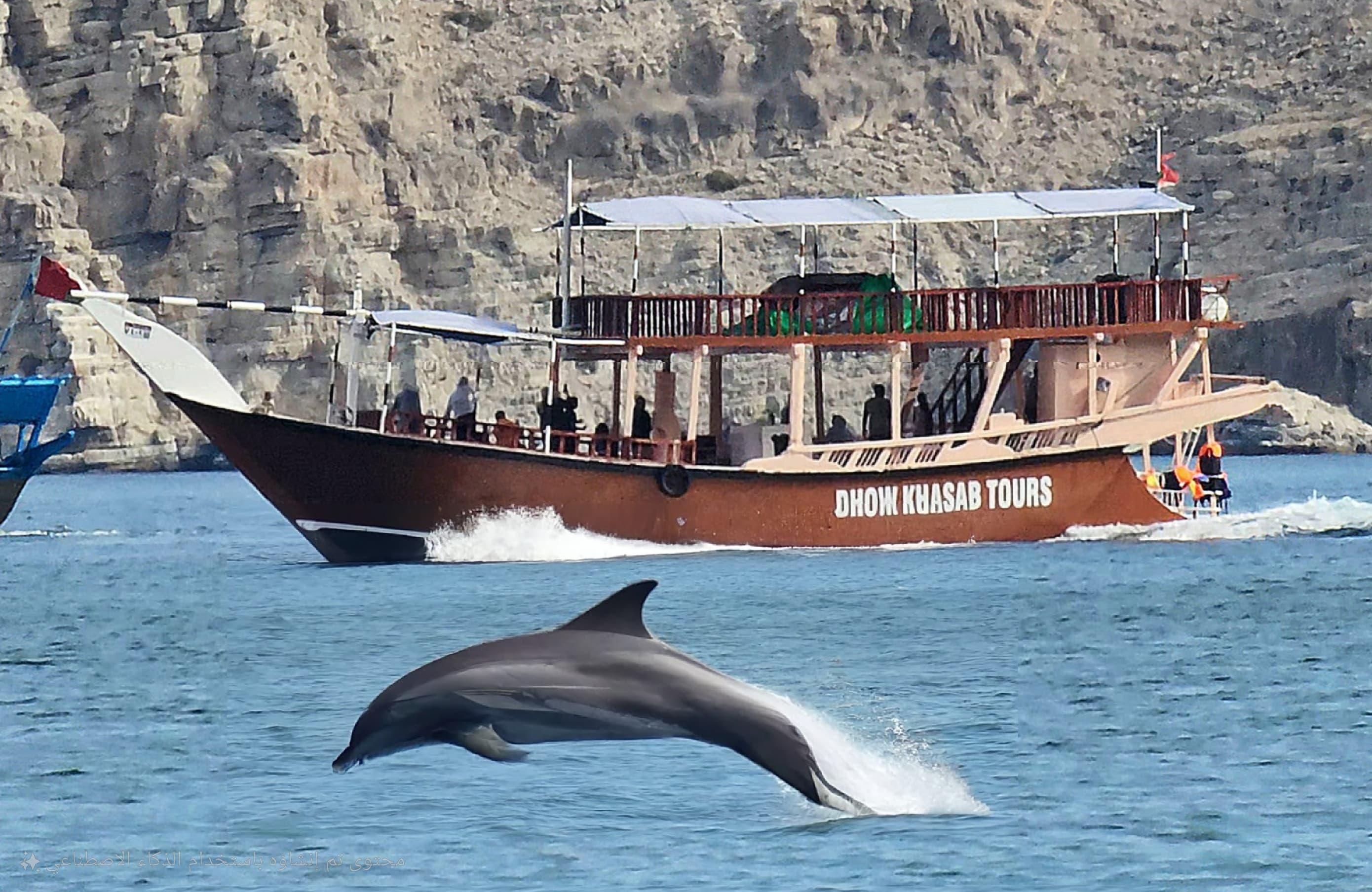
Khasab Dhow Cruise with Dolphin Watching & Snorkeling
- Entry ticket
- Mobile voucher
- Valid same day
- Free cancellation
Musandam Dibba Tour from Sharjah — Dhow Cruises & Dolphin Watching
Limestone fjords carved by ancient seas, dhow decks where Arabian waters meet Omani stone
Compare fares, pick the fit — all bookings are mobile-voucher and eligible for free cancellation where shown.
3 hr 30 min
24 hr
24 hr
| Experience | Duration | Rating | Pickup | Lunch | Small group | Free cancel. | Price | |
|---|---|---|---|---|---|---|---|---|
|
Standard Entry
Most popular
Khasab Dhow Cruise with Dolphin Watching & Snorkeling
|
3 hr 30 min | ★ 4.9 | ✓ | — | ✓ | ✓ | $37 | Book → |
|
Guided Experience
Musandam Dhow Cruise with Dolphin Spotting & Lunch
|
24 hr | ★ 4.8 | ✓ | ✓ | ✓ | ✓ | $140 | Book → |
|
Guided Experience
Musandam Fjords Dhow Cruise with Lunch from Dubai
|
24 hr | ★ 4.6 | ✓ | ✓ | ✓ | ✓ | €158 | Book → |
Worth it for nature lovers and adventure seekers
A musandam dibba tour from sharjah delivers solid value for travelers seeking dramatic fjord scenery and marine encounters without the longer Khasab route. Most dhow cruise packages from Sharjah run 250–350 AED per adult and include hotel pickup, border-permit handling, buffet lunch, snorkeling gear, and 4–6 hours on the water. The Dibba coastal route offers reliable dolphin sightings in calm waters, swim stops at Telegraph Island or secluded bays, and views of the limestone cliffs that define the Musandam Peninsula. Border crossing from the UAE into Oman adds 60–90 minutes each way, so total trip time is 8–10 hours. The experience pays off for couples, solo travelers, and small groups who value natural landscapes over urban sightseeing—you'll spend most of the day surrounded by turquoise water and rugged mountains. Families with young children and those with limited time may find the journey too long for the on-water duration.
Bottom line: If dramatic coastal scenery and marine life outweigh the border-crossing trade-off, Musandam Dibba tour tickets from Sharjah deliver measurable value for the price.
They complement each other; most visitors choose the musandam dibba tour from sharjah for coastal accessibility, while Khasab offers a deeper exploration of the peninsula's famous limestone fjords.
|
Top pick Dibba Dhow Cruise |
Khasab Dhow Cruise | |
|---|---|---|
| Border accessibility | Easy via Dibba Port | |
| Landscape type | Coastal cliffs and beaches | |
| Travel time from Sharjah | Approx. 2 hours | |
| Primary activities | Swimming and snorkeling | |
| Duration | Full day tour | |
| Deep fjord access | Limited coverage | |
| Inland terrain access | Accessible by 4x4 | |
| See tickets & prices |
Verdict: Select these musandam dibba tour from sharjah tours if you prefer a streamlined aquatic experience, whereas the Khasab route is superior for those seeking extensive musandam dibba tour from sharjah tickets for navigating narrow mountain inlets.
Hand-picked experiences loved by thousands of travelers
6 hours
Free Cancellation
Sail pristine Arabian fjords aboard a traditional dhow, spotting dolphins and snorkeling crystal-clear coves
10 hours
Free Cancellation
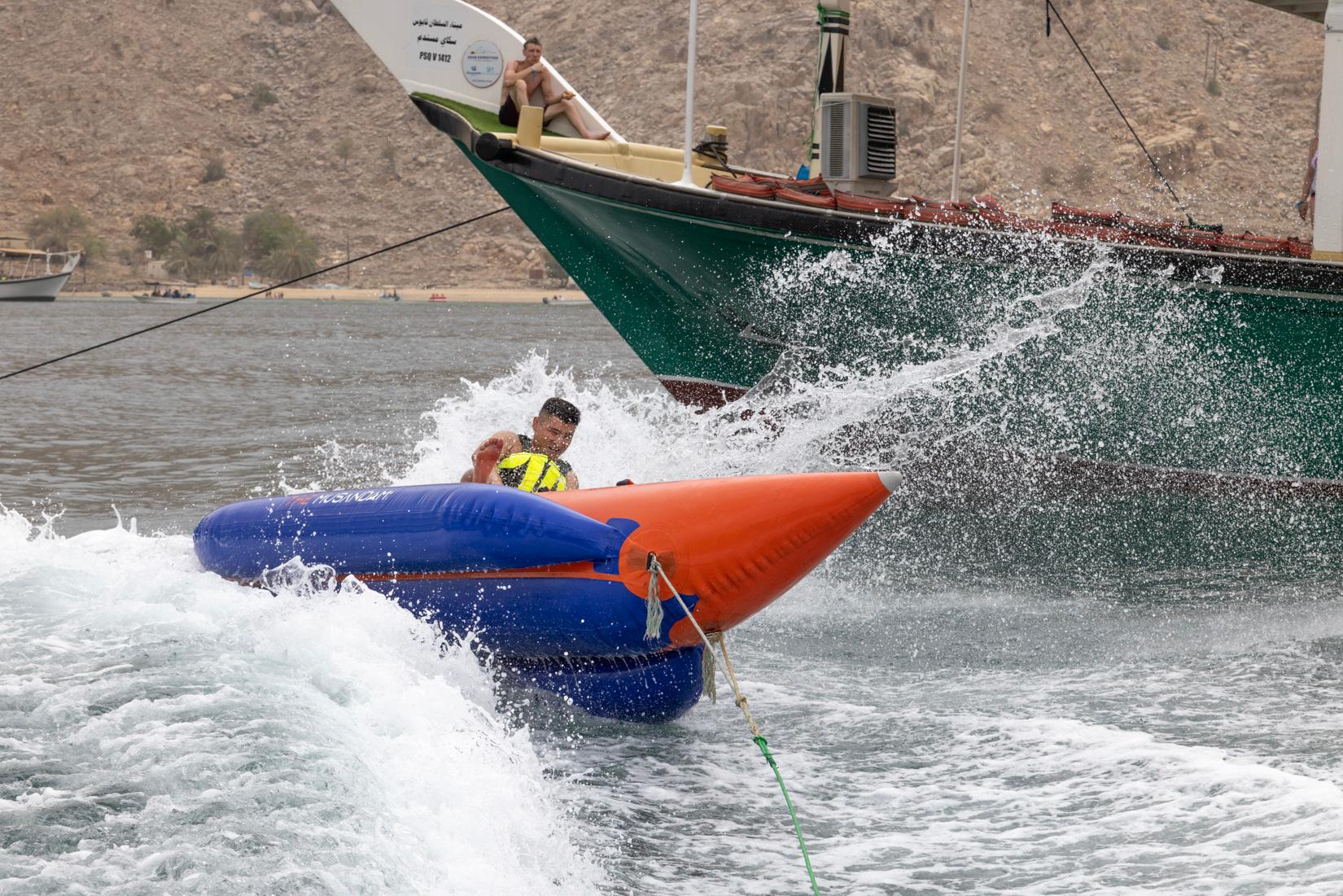
Full-day fjord adventure sailing Oman's coastline with snorkeling, water sports, and onboard lunch
9 hours
Free Cancellation
Sail through dramatic fjords, snorkel crystal waters, and spot dolphins on a traditional dhow adventure
10 hours
Free Cancellation
Full-day fjord cruise from Dubai aboard a traditional Omani boat with snorkeling, lunch, and activities
4 hours
Free Cancellation
Sail through turquoise fjords, snorkel pristine waters, then conquer the planet's longest over-water zipline
6 hours
Free Cancellation
Full-day sailing adventure through Oman's dramatic fjords with dolphin watching, snorkeling stops, and traditional buffet
1 day
Free Cancellation
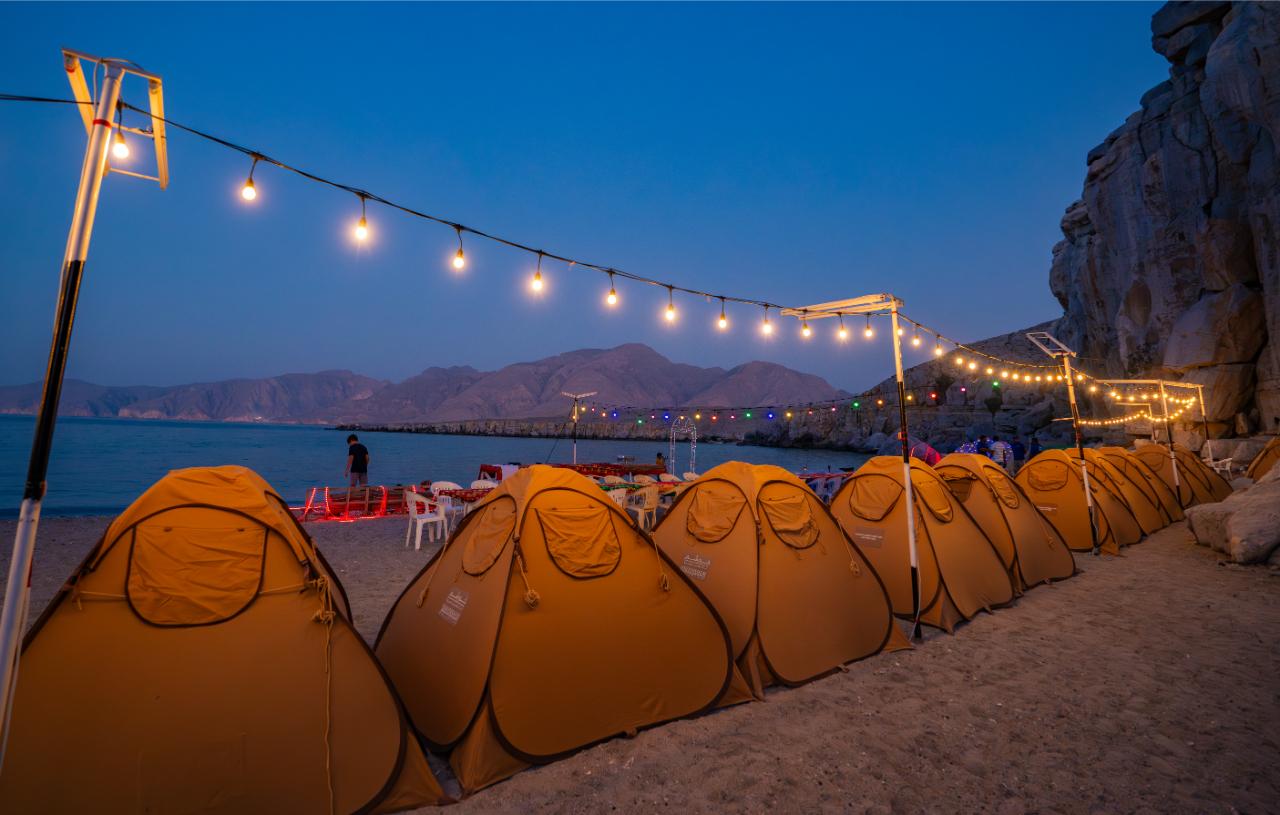
Sleep under the stars on a secluded beach after a full-day dhow cruise through Musandam's fjords
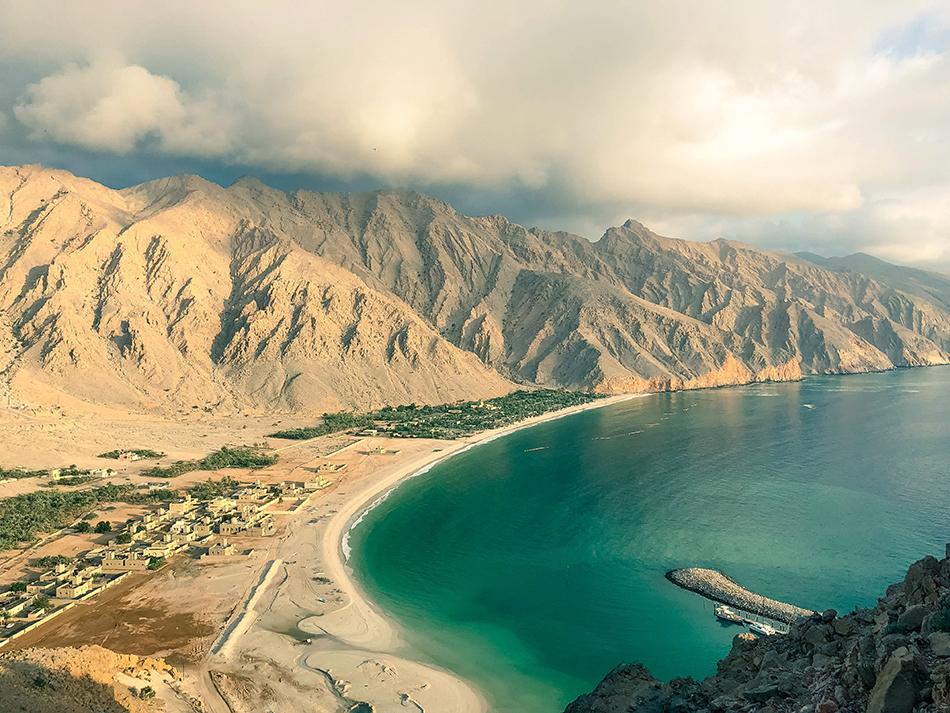
Secluded shoreline perfect for photography and relaxing between dives.
Musandam Fjords
Dibba Rock
Zighy Bay
You clear Sharjah customs before dawn, passport stamped for same-day re-entry, and follow the coast road as the Hajar range sharpens against the eastern sky.
The Omani border post at Tibat processes your documents in twenty minutes; beyond it the asphalt narrows, winding through gravel fans where acacia trees cling to winter moisture. Dibba Port appears as a crescent of white dhows against turquoise water, their masts tilting in the harbour chop.
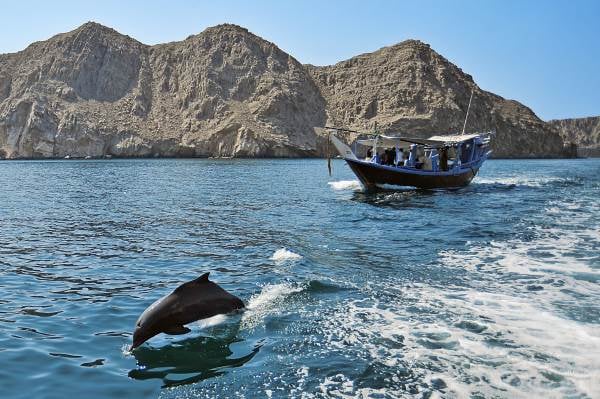
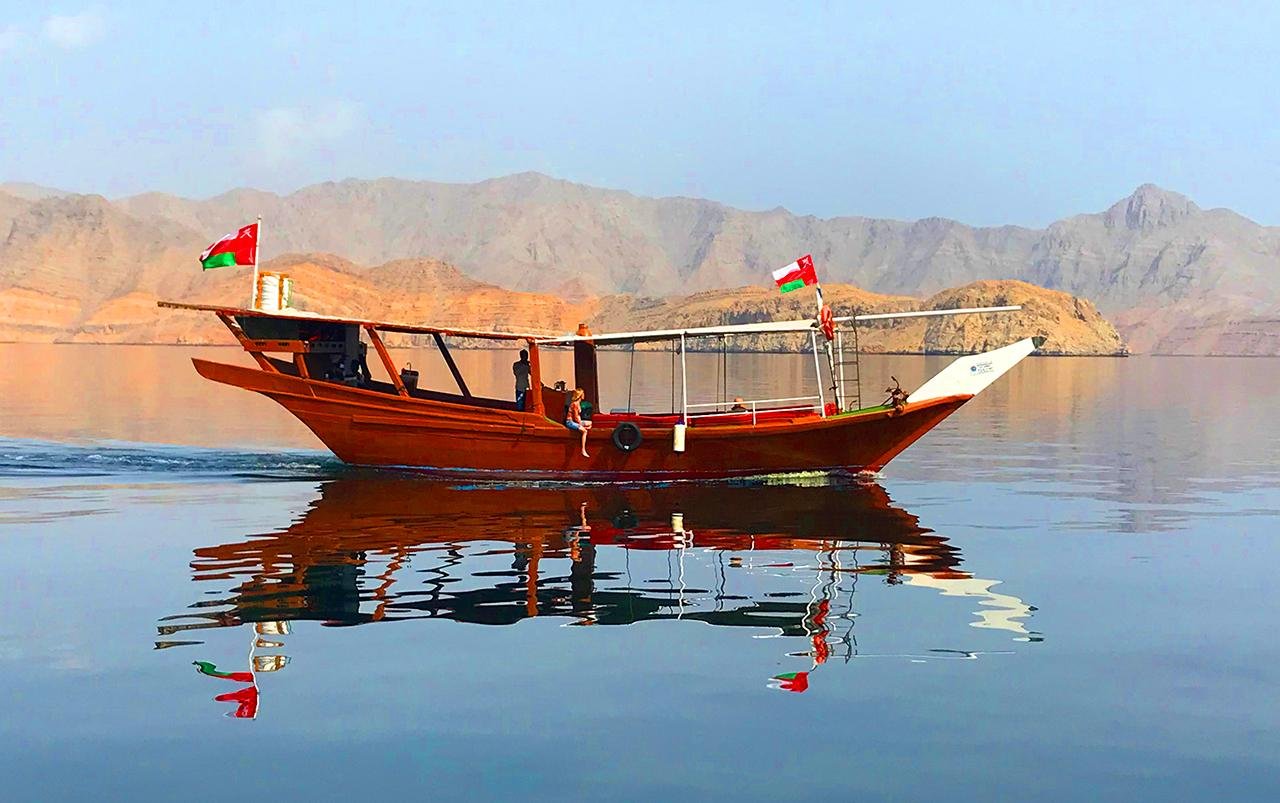
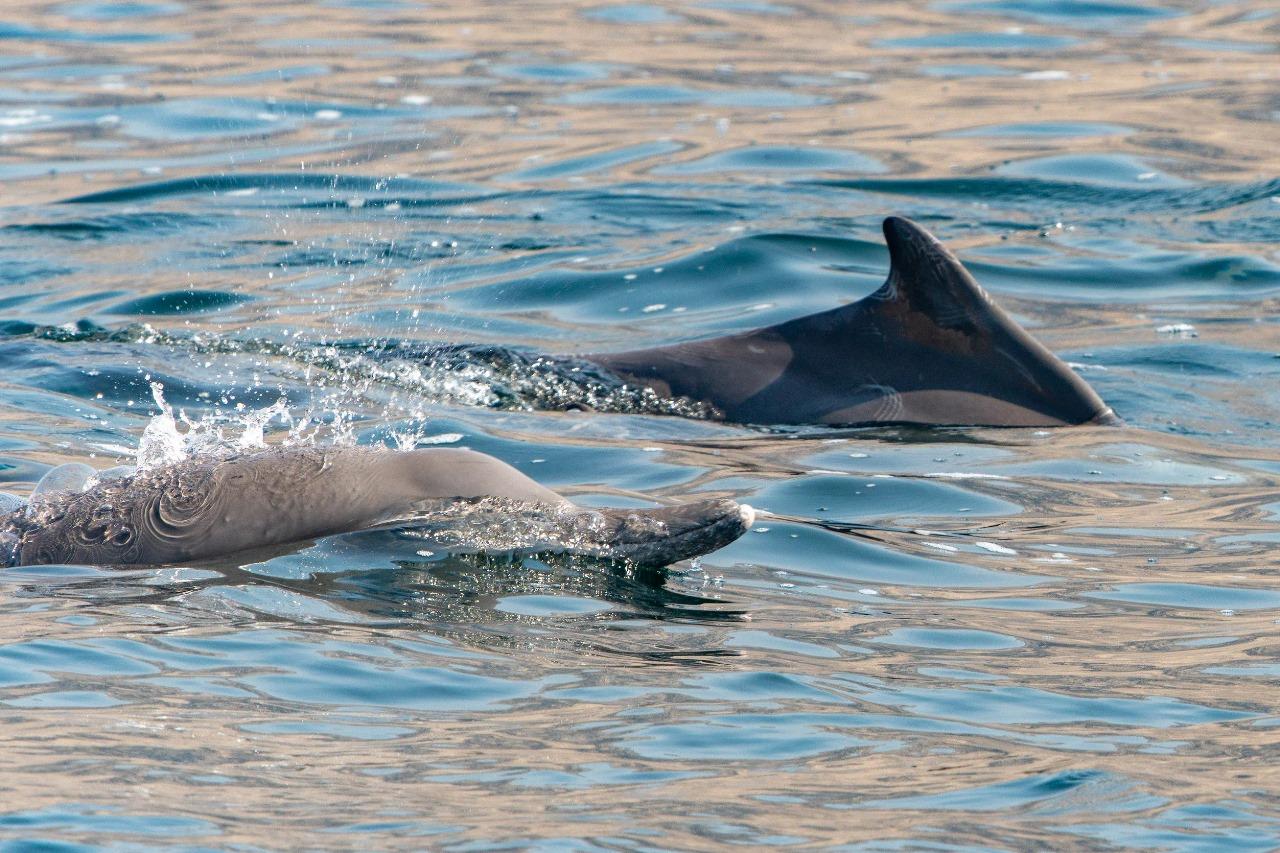
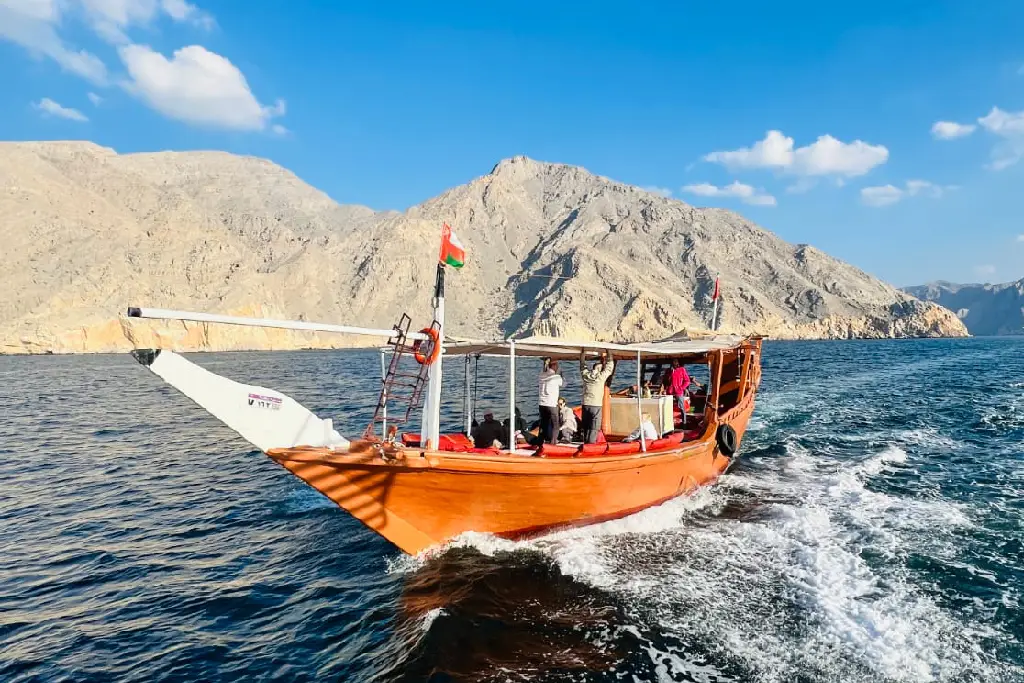
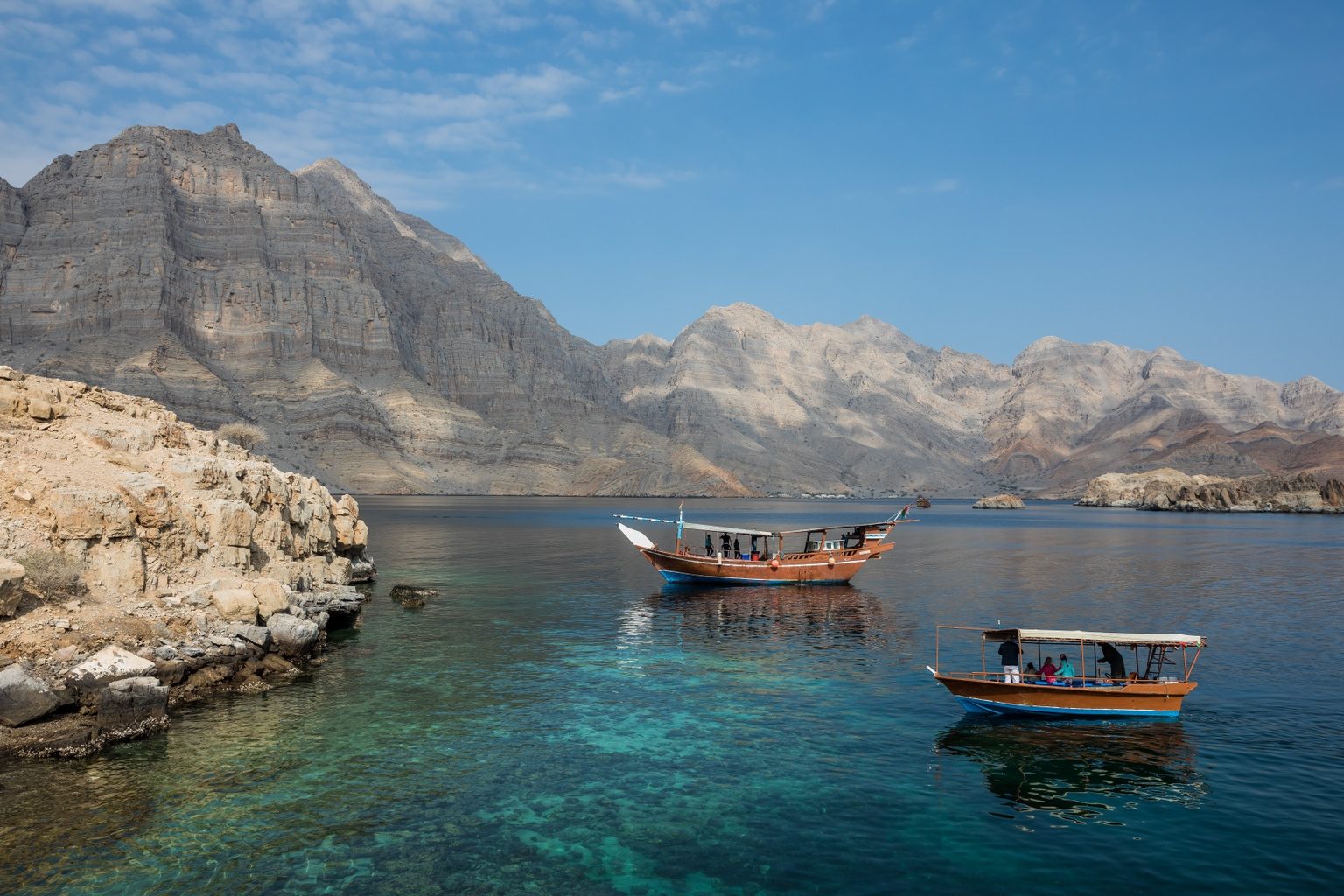
Your vessel departs at eight, diesel engine rumbling until the skipper cuts power and hoists a lateen sail once past the breakwater. Limestone cliffs rise vertically, their strata tilted at forty degrees, pocked with sea caves that glow amber in the morning light. Dolphins surface thirty metres off the bow—spinner dolphins, recognisable by their tri-tone colouration and acrobatic leaps. The crew throws anchor at Telegraph Island, a coral outcrop named for the British telegraph relay station abandoned in 1868. You pull on a snorkel mask and drop into water so clear you count individual brain corals four metres below.
Lunch is served on deck: spiced chicken, lemon rice, watermelon chilled in ice chests. The dhow tacks northward past fishing villages accessible only by sea, their cinder-block houses painted turquoise to match the Gulf. You dock at Dibba Port by four in the afternoon, passport re-stamped, the Hajar peaks turning rose-grey as you drive back toward Sharjah's glow.
All the details about your upcoming adventure in one place
Dibba Port anchors the eastern edge of the Musandam Peninsula, a 1,800-square-kilometre enclave separated from the rest of Oman by seventy kilometres of UAE territory.
The jagged limestone massif that defines Musandam rose from the Tethys seafloor during the Cretaceous collision of the Arabian and Eurasian plates, compressing sediment into the pale karst cliffs that plunge directly into the Strait of Hormuz. Portuguese navigators fortified Khasab in the sixteenth century to control spice routes; today the same waters carry dhow traffic bound for Iranian ports, a continuation of trade corridors documented in Sumerian cuneiform.
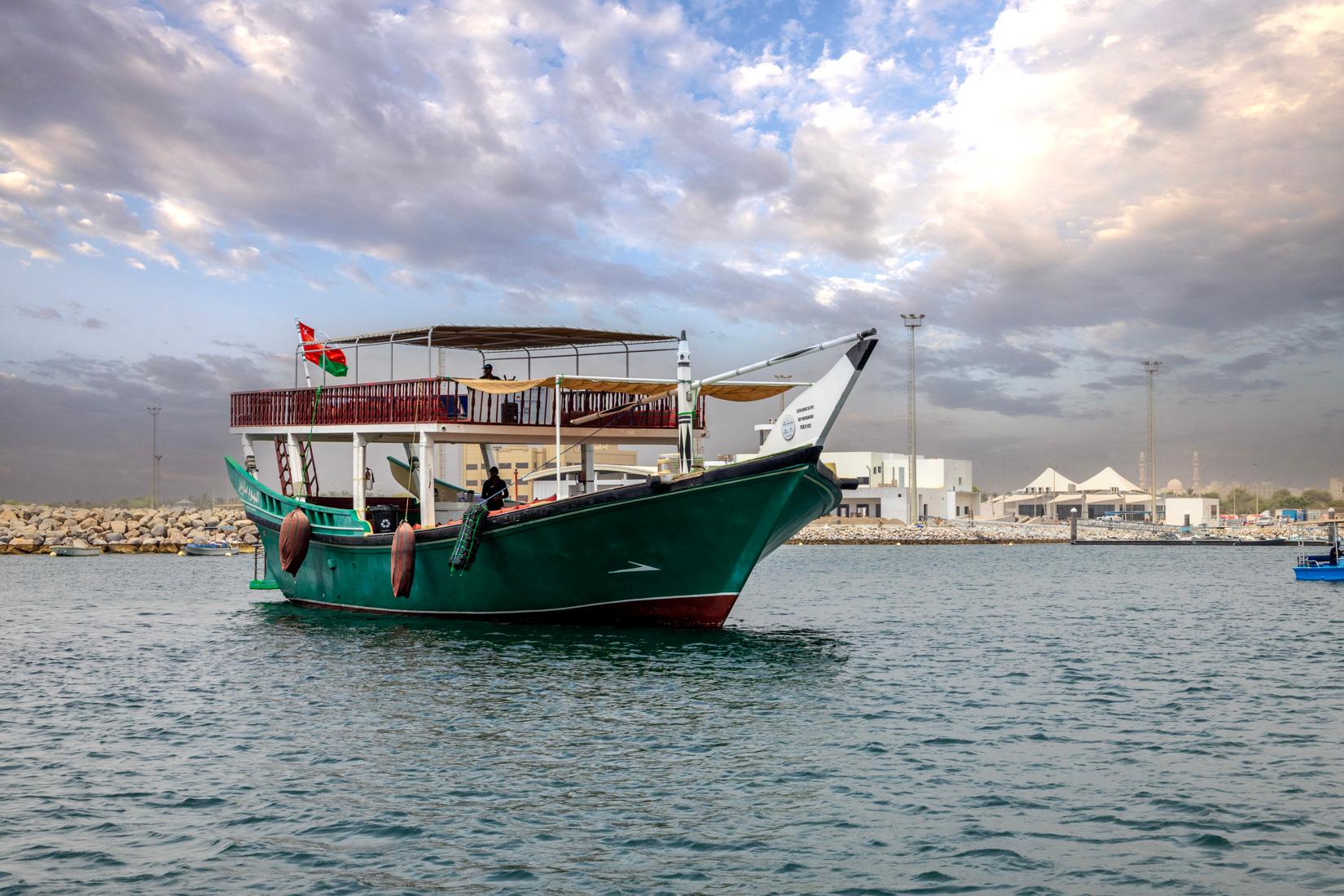
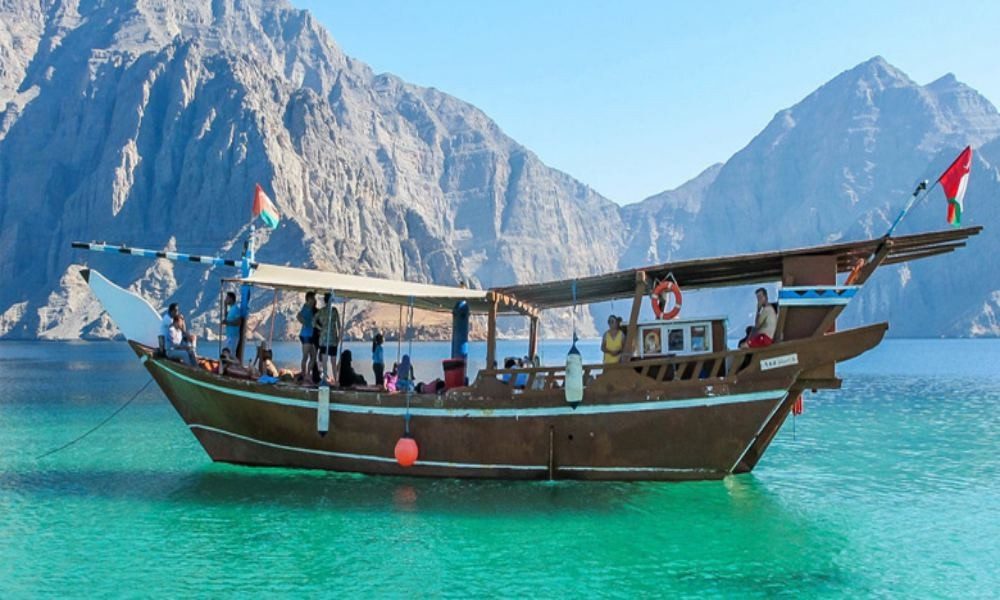
Sharjah lies ninety minutes southwest by road, the journey threading through Fujairah's date groves before reaching the Omani customs post at Tibat. Border formalities add thirty to forty minutes; most operators bundle visa fees and exit permits into package rates. Once cleared, the highway descends through Wadi Khabb ash Shamis, a seasonal watercourse that briefly greens after winter rains, before emerging at Dibba's working harbour. Traditional wooden dhows—constructed without blueprints, their hulls shaped by eye and adze—moor alongside fibreglass trawlers. Departures cluster between seven and nine-thirty in the morning to synchronise with dolphin feeding patterns and calmer pre-noon seas.
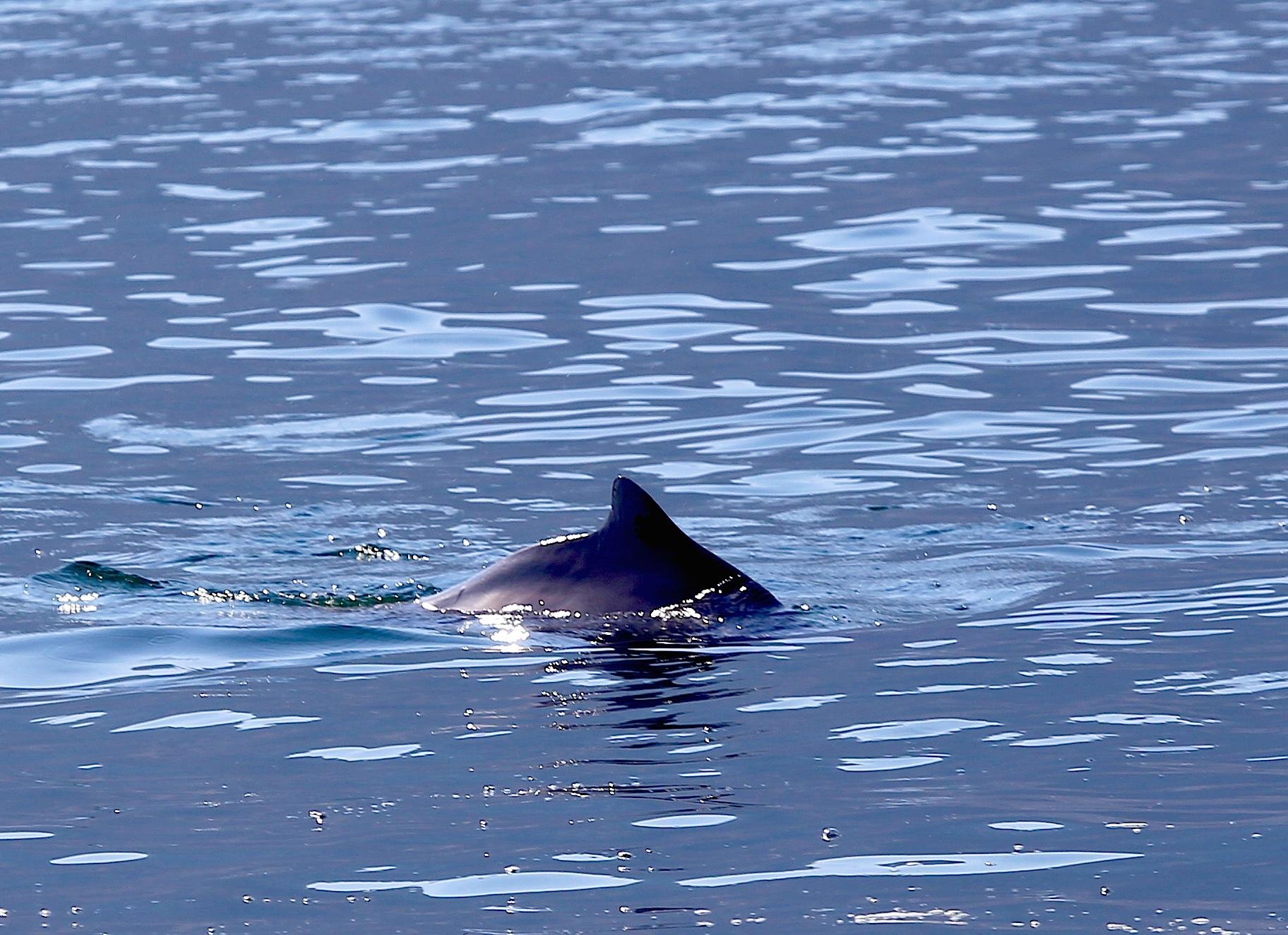
The fjords themselves are drowned river valleys, incised when sea levels dropped during Pleistocene glaciations and subsequently flooded as ice sheets retreated. Spinner dolphins hunt in pods of twenty to sixty individuals, echolocating for sardine schools in the thermocline where Gulf surface water meets cooler Indian Ocean currents. Snorkelling sites favour Telegraph and Seebi islands, both fringed by Acropora coral reefs that support parrotfish, sergeant majors, and the occasional hawksbill turtle. Water clarity peaks in autumn and winter; summer monsoon surge stirs sediment and raises surface temperatures above thirty-two degrees Celsius.
Musandam Dibba tour from Sharjah packages evolved from the fishing charters that local Shihuh tribesmen offered to Gulf expatriates in the nineteen-eighties. By the early two-thousands, dedicated tour dhows featured cushioned seating, shade canopies, and onboard buffets—grilled hammour, saffron rice, dates. The peninsula remains lightly visited relative to Dubai's beach resorts; October through March brings European and Indian subcontinent tourists seeking cooler weather, while UAE residents favour Friday departures when regional traffic eases. Conservation permits, once issued ad hoc, are now processed digitally at Dibba Port and included in most tour tariffs.

The jagged limestone massif that defines Musandam rose from the Tethys seafloor during the Cretaceous collision of the Arabian and Eurasian plates.
Wear modest beachwear or light comfortable clothing suitable for a coastal dhow cruise. Swimwear is acceptable on board, but guests should cover up when at the Dibba Port.
Security checks at the Oman border require all guests on a musandam dibba tour from sharjah to provide original passports. Keep bags light as storage on dhows is limited.
Photography is permitted during the musandam dibba tour from sharjah trip, except at border control points. Always respect the privacy of local residents and fishermen when taking shots.
Children are welcome on board, though life jackets must be worn at all times during the cruise. Supervise young children near the dhow edges.
Coastal dhows often have steep ladders and limited space, making them challenging for those with mobility issues. Verify individual dhow layout before booking your musandam dibba tour from sharjah.
Lunch and refreshments are typically provided on board as part of the musandam dibba tour from sharjah package. Outside food is generally discouraged.
Opening Hours
07:00–17:00
Address
Dibba Port, Musandam Peninsula, Oman
Accessibility
Varies by dhow vessel size
Best arrival
07:00–09:30
Storage
Limited space on coastal dhows
Region
Musandam Peninsula
Car · 02:00 · Fuel and parking costs
Follow E87 towards Dibba; parking available at the port.
Taxi · 02:30 · Variable by operator
Private transfers offer door-to-door service from Sharjah.
Cancellations made 48 hours before the musandam dibba tour from sharjah are eligible for a refund. No-shows or late arrivals forfeit the full tour cost.
Recommended time
Full day
A musandam dibba tour from sharjah typically requires a full day due to the necessary border clearance procedures at the Dibba Port, Musandam Peninsula, Oman. Completing your musandam dibba tour from sharjah tour early is essential, as the best arrival window is 07:00–09:30 to ensure smooth processing for the dhow cruise departure. Those seeking musandam dibba tour from sharjah tours should anticipate that crowds remain concentrated during these morning hours while visitors board their vessels to explore the rugged coastline and hidden fjords. Securing your musandam dibba tour from sharjah tickets in advance helps streamline this process, allowing for a structured maritime excursion.
Crowd levels through the day
Weather · crowds · average price — dots go green to amber to red as each metric rises.
Mild weather ideal for outdoor dhow cruises and snorkeling.
Higher temperatures; early morning departure is essential to avoid peak heat.
Ensure your passport is valid for at least 6 months before your musandam dibba tour from sharjah. Carry the original document, as copies are not accepted at the border.
The Musandam Peninsula remained one of the Arabian Gulf's most isolated coastal zones until the mid-20th century, its limestone fjords accessible only by sea. Portuguese mariners charted the Dibba coastline in 1507, establishing a short-lived fort to control the Strait of Hormuz trade corridor. By the 17th century, Omani tribes reclaimed the territory, and fishing villages clung to the rocky inlets, relying on traditional dhow construction techniques passed through generations. The border between Omani Musandam and the Trucial States solidified in 1969 under British-mediated treaties, leaving Dibba split into three administrative zones—Omani, Fujairah, and Sharjah jurisdictions. Commercial dhow tourism emerged in the early 1990s after Oman opened Musandam to organized visitor permits, initially serving expatriates from Dubai and Sharjah seeking weekend escapes. Tour operators formalized border-crossing protocols by 1995, negotiating collective visa arrangements that streamlined entry for Gulf-based residents. The first purpose-built dhow cruise departed Dibba Port in 1998, offering snorkeling gear and onboard meals—a model that became standard across the peninsula. Infrastructure expanded through the 2000s: asphalt roads reached Khasab in 2008, satellite communication towers followed in 2011, and Dibba Port received concrete jetties in 2014 to accommodate the growing fleet. By 2020, musandam dibba tour from sharjah packages constituted the region's primary non-petroleum revenue stream, with operators ferrying over 80,000 visitors annually through Telegraph and Seebi Islands. The COVID-19 closure from March 2020 to September 2021 halted all cross-border movement, forcing a dozen local operators into consolidation. Post-reopening protocols introduced digital health declarations and revised permit fees, yet the core dhow cruise experience—six-hour journeys through limestone fjords with dolphin sightings and snorkeling stops—persists unchanged. Traditional wooden dhows still depart at dawn, their diesel engines replacing the lateen sails that once powered trade across these waters.
Portuguese navigators establish fortified outpost at Dibba to monitor Strait of Hormuz shipping lanes.
Omani Ya'aruba dynasty expels Portuguese forces and consolidates tribal control over Musandam coastline.
British-mediated border agreements finalize tripartite division of Dibba between Oman, Fujairah, and Sharjah.
First organized musandam dibba tour from sharjah tours launch after Oman introduces visitor permit system for Gulf residents.
Purpose-built tourism dhows begin daily cruises from Dibba Port with standardized snorkeling and meal packages.
Paved highway connects Khasab to UAE border, reducing overland transit time for tour operators by three hours.
Dibba Port completes concrete jetty expansion to accommodate simultaneous boarding of twelve dhow vessels.
COVID-19 border closure suspends all cross-border tourism; regional operators consolidate from eighteen to six active companies.
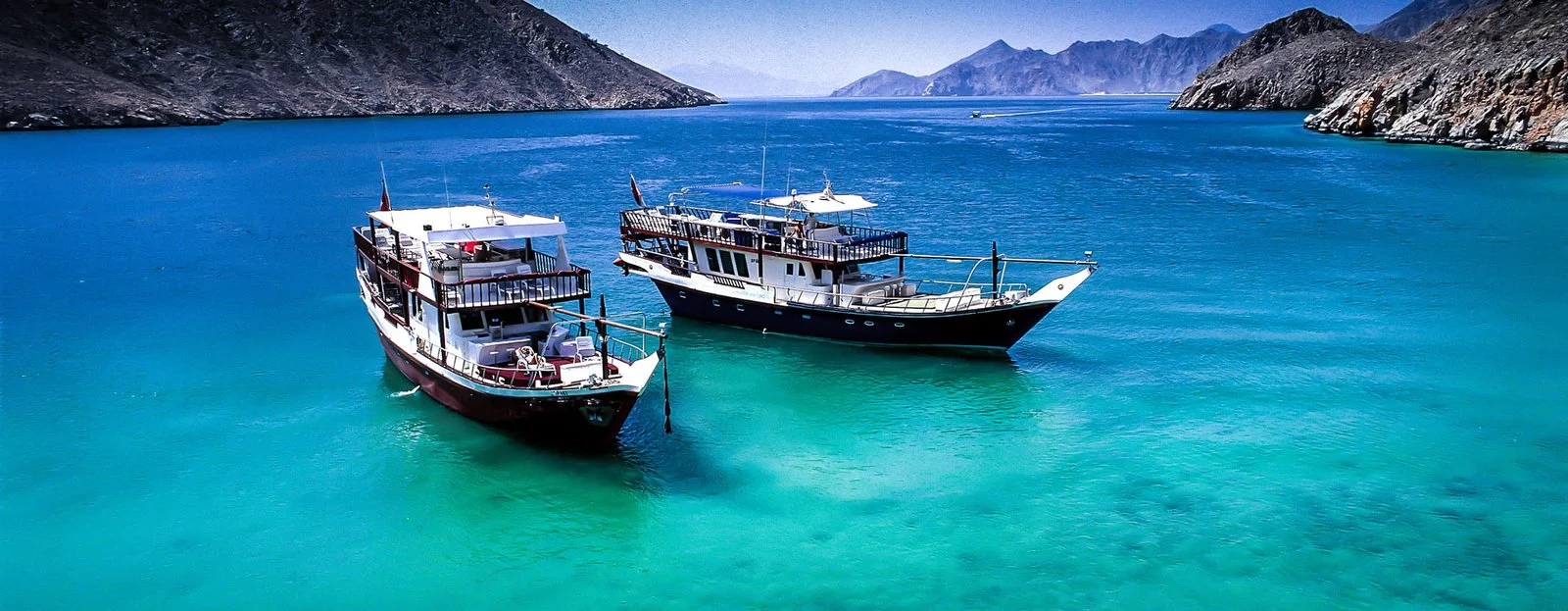
Capture the traditional wooden vessels docked against the rugged mountain backdrop before departure. Stand near the pier edge for a clear shot of the fleet reflecting on the calm water.
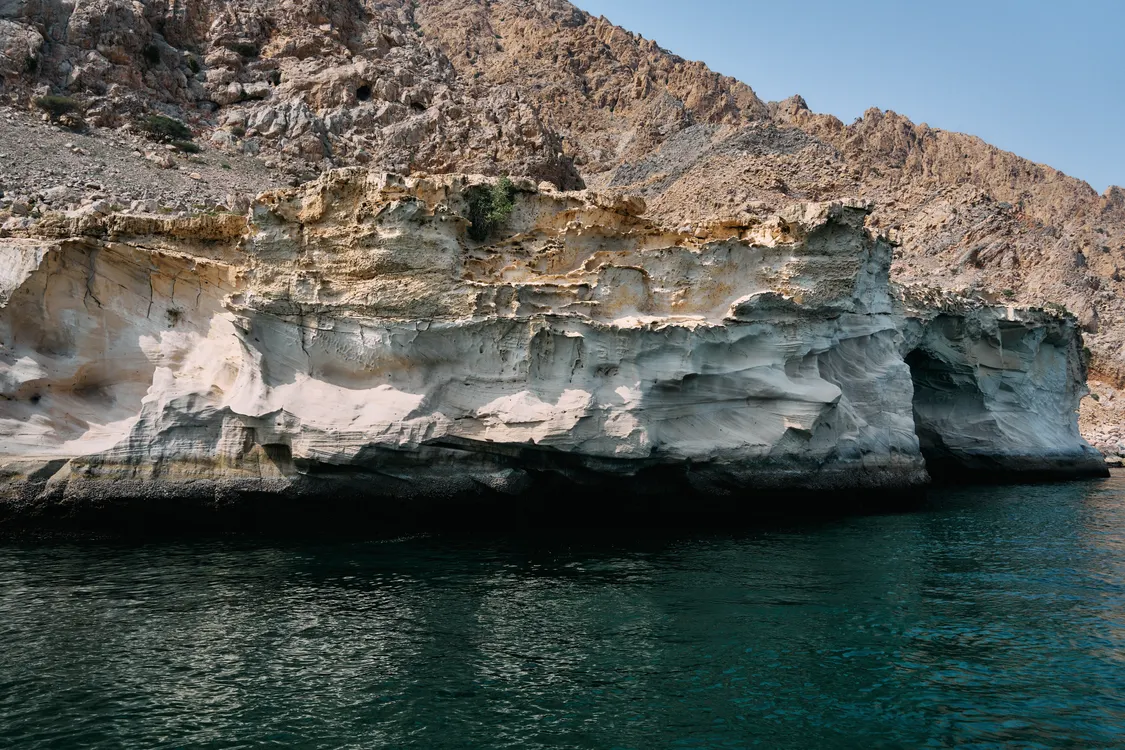
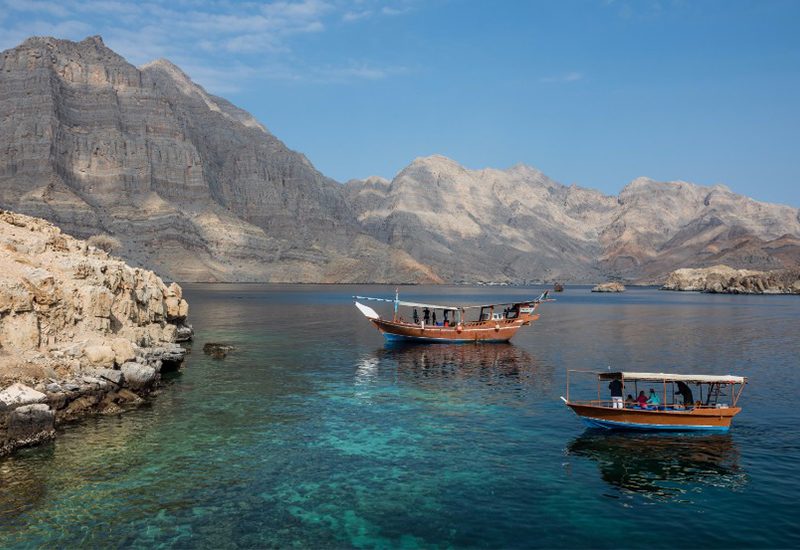
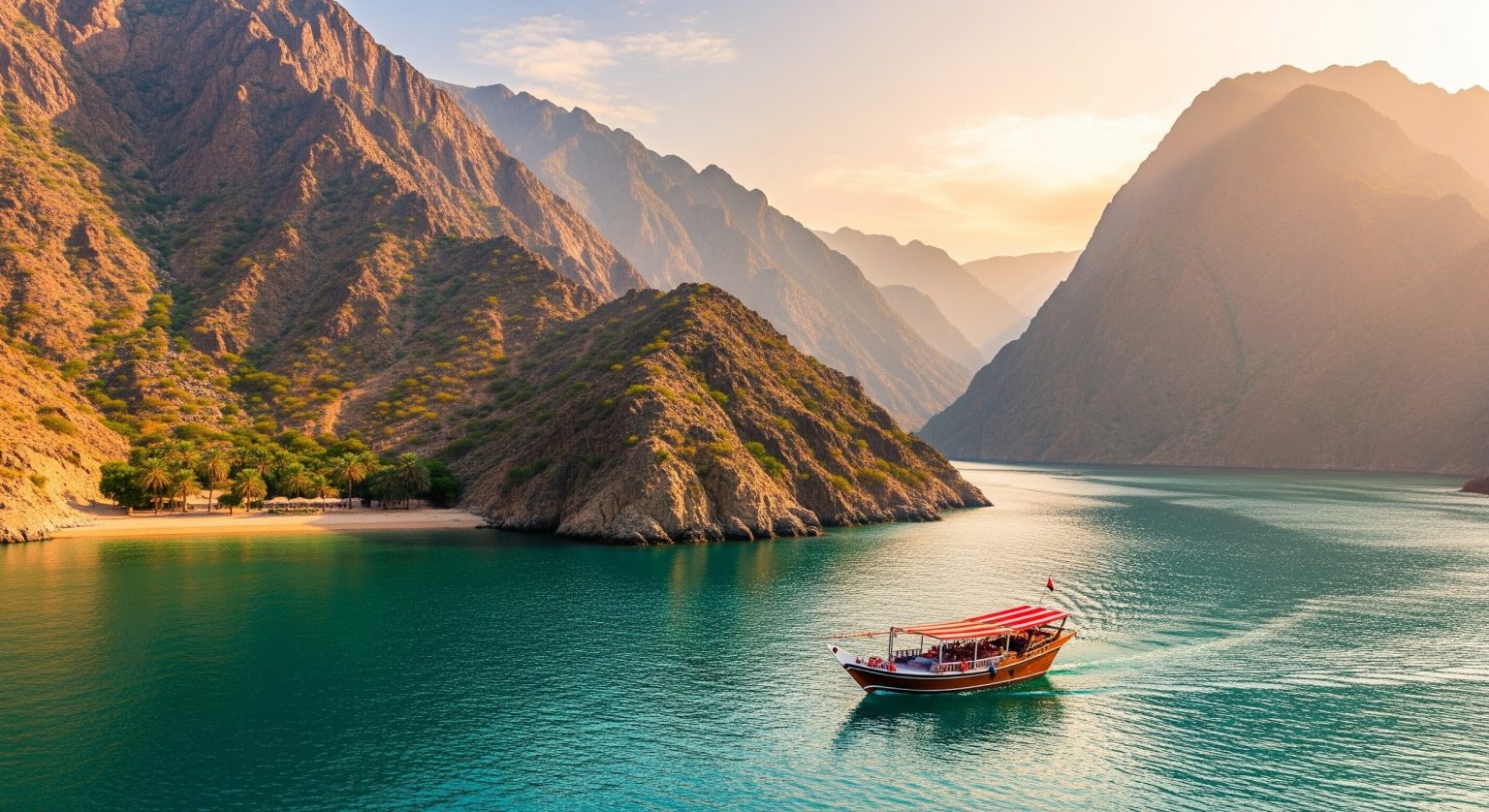
This spot offers clear views of the dramatic limestone cliffs dropping into turquoise waters from your musandam dibba tour from sharjah vessel. Position yourself at the bow of the boat for an unobstructed wide-angle composition of the coastline.
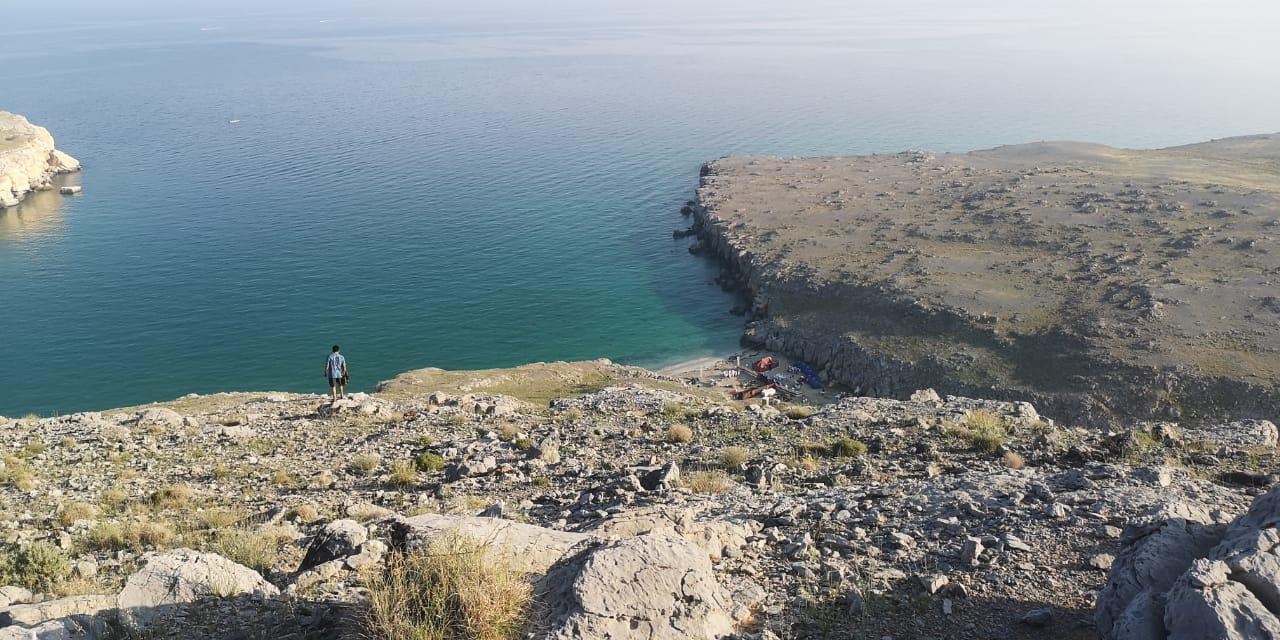
As your dhow navigates this protected bay, look for the unique contrast of white sands and deep blue sea. This location is accessible only by sea and provides a tranquil perspective of the Musandam Peninsula landscape.
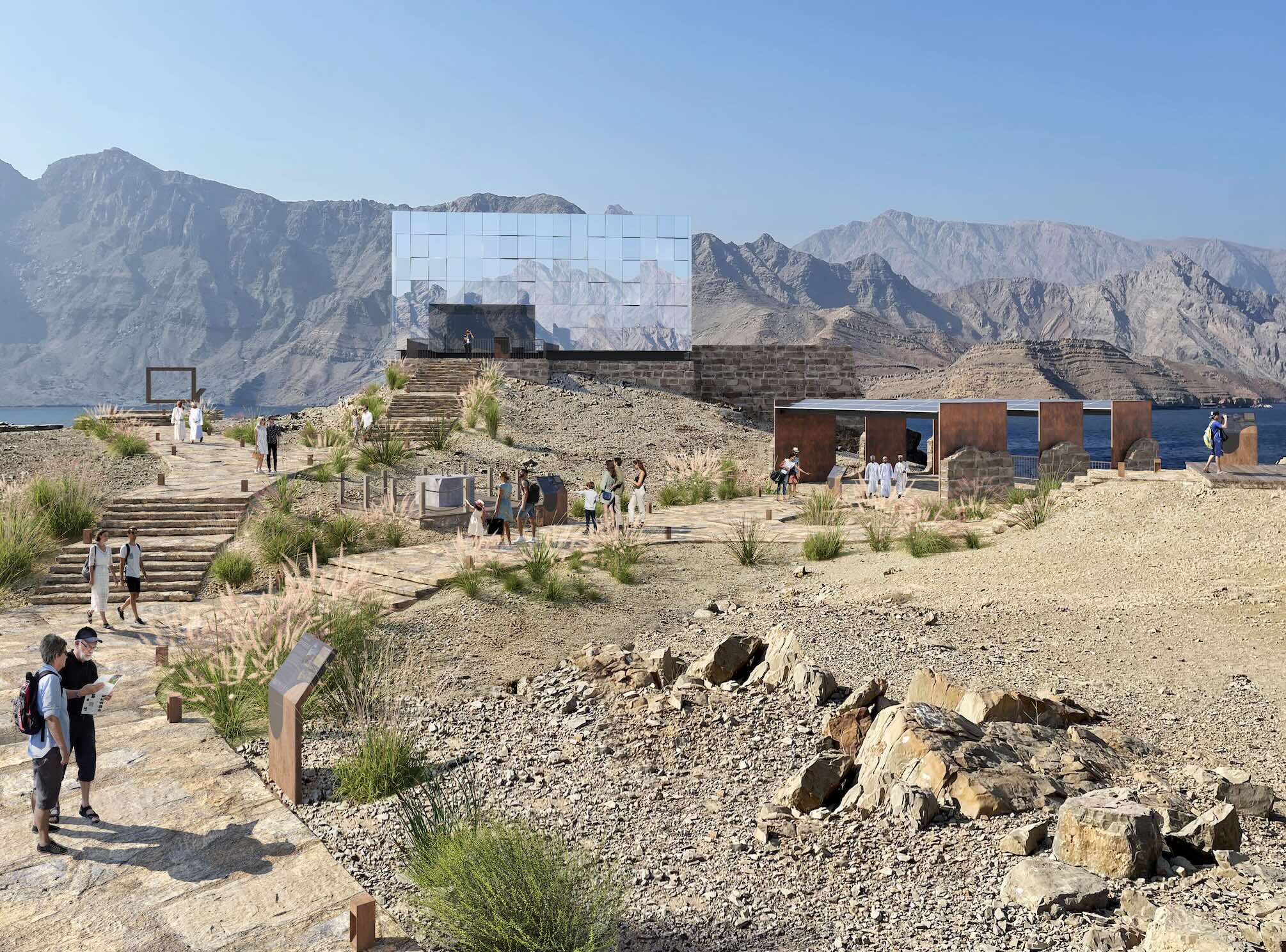
Focus your lens on the historical stone structures perched on this small island while snorkeling or swimming nearby. Frame the remnants against the steep fjord-like slopes for a sense of scale.
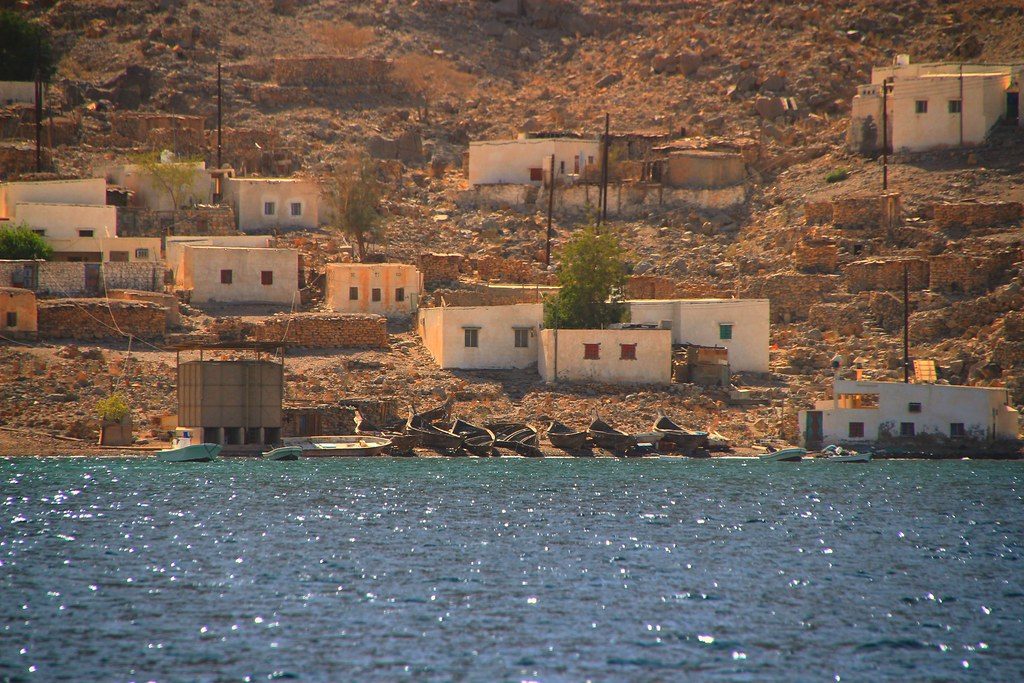
Observe the remote coastal dwellings that remain visible from the water during your musandam dibba tour from sharjah tours excursion. Keep a telephoto lens ready to document the authentic architecture of these secluded settlements.
Planning a musandam dibba tour from sharjah with children requires careful attention to border documentation and sea-safety needs. These traditional dhow excursions offer a calm way for families to explore the Musandam Peninsula coastline and its turquoise waters.
Ensure every child has their original passport and a copy of their visa, as border officials at the Dibba Port crossing strictly verify all travel documents.
Dhows are generally stable, but bringing non-drowsy motion sickness medication is a practical precaution for young travelers prone to discomfort during coastal cruises.
This excursion is most suitable for children who are comfortable around water and capable of sitting through a multi-hour boat journey.
You should aim for the best arrival window of 07:00–09:30 to complete border processing efficiently before your dhow departs.
Dhows are not stroller-accessible, so parents with infants should use a compact baby carrier for easier movement on the boat deck.
The Musandam Dibba tour from Sharjah tickets typically include pre-arranged permit logistics, but confirm with your operator that all child passport details were submitted well in advance.
Most visitors planning a musandam dibba tour from sharjah will find that dining is predominantly handled on board the dhows, as there are limited commercial restaurants directly at the Dibba Port departure point. Packages typically include an international buffet lunch served while cruising the fjords, ensuring you remain nourished during your maritime excursion.
Freshly prepared variety including grilled meats, salads, and traditional Arabic dishes served during the afternoon voyage.;Dibba Port Refreshment Kiosks
Everything you need to know for your journey
Most packages include the necessary border permit fees.
The Dibba Port operates from 07:00–17:00 daily.
Yes, snorkeling is a core feature of the musandam dibba tour from sharjah experience.
Meals are provided, so outside food is unnecessary.
Your operator manages the border permit process, but bring your original passport.
Children of all ages can join, provided they use the required life jackets.
Trips may be rescheduled by the operator due to sea conditions.
Photography is strictly prohibited at the Oman border control point.
Arrive between 07:00–09:30 to ensure timely processing.
The entrance fee is 0 AED, as costs are bundled into tour packages.
Dramatic limestone cliffs rising from the sea.
A secluded bay known for its pristine sandy beaches.
A premier snorkeling spot teeming with marine life.
Remote high-end villas on the Musandam coast.
Convenient lodging near the coastal port.
Join thousands of happy travelers who have discovered this incredible experience
Book Your Experience Now